
Metabolic research has advanced rapidly over the last decade, shifting the focus from simple appetite suppression to profound hormonal optimization. For scientists and investigators studying obesity, metabolic syndrome, and cellular energy, the available compounds have never been more potent. The landscape of weight loss peptides in Canada is currently dominated by multi-receptor agonists, growth hormone fragments, and mitochondrial modulators.
When researchers ask, “What is the best peptide for weight loss?” the answer depends entirely on the specific mechanism they wish to study—whether it is the massive multi-receptor activation of GLP-1s, the targeted lipolysis of AOD-9604, or the muscle-preserving effects of CJC-1295. Clinical data proves that these compounds effectively modulate metabolic pathways, answering the common question of whether peptides for weight loss really work with resounding clinical evidence. This guide ranks the top 10 compounds available to Canadian researchers today based on raw efficacy and biological mechanism.
Methodology: Evaluating the Research
Our rankings are strictly based on current research efficacy for weight reduction, the compound’s specific mechanism of action, and overall demand within the Canadian research community. We prioritized multi-receptor agonists like Retatrutide for their unprecedented trial data, moving down to compounds that offer indirect metabolic support or targeted visceral fat reduction.
Before starting any protocol, understanding how to safely source and buy peptides in Canada is critical. Many individuals wonder, “What’s the best weight loss medication in Canada?” While clinical medications exist, our focus remains purely on high-purity research compounds. A successful study relies on absolute peptide purity and precise peptide dosage. While many labs focus on muscle growth peptides like Sermorelin or Mod GRF 1-29, athletic performance peptides like TB-500, or aesthetic looksmaxxing peptides like GHK-Cu, this list is exclusively dedicated to lipolytic and metabolic pathways. All claims are grounded in clinical or pre-clinical data, and these compounds are intended strictly for research purposes.
Quick Reference List
- 1. Retatrutide
- 2. Tirzepatide
- 3. Semaglutide
- 4. AOD-9604
- 5. Tesamorelin
- 6. CJC-1295 / Ipamorelin Blend
- 7. MOTS-c
- 8. 5-Amino-1MQ
- 9. BPC-157
- 10. Fragment 176-191
1. Retatrutide

One-Line Summary: A powerful triple-agonist targeting GLP-1, GIP, and Glucagon receptors, showing unprecedented results in clinical weight loss trials.
Retatrutide represents the absolute frontier of metabolic research. Unlike its predecessors, it stimulates three distinct receptors: GLP-1, GIP, and Glucagon. This triple-action approach not only suppresses appetite but significantly increases the basal metabolic rate through the glucagon pathway. By targeting all three receptors simultaneously, researchers observe profound changes in how a subject’s body processes lipids and regulates blood sugar, making it highly efficient at clearing fat from the liver and deep visceral storage. The synergy between these pathways creates an environment where fat oxidation happens aggressively.
In recent trials, subjects researching Retatrutide have demonstrated higher percentage weight loss compared to dual or single agonists, breaking previous clinical records. It sits at the top of the list for researchers looking into the cutting edge of obesity and metabolic syndrome interventions. The exact peptide dosage in these trials typically involves a careful once-weekly escalation, allowing subjects to acclimate to the powerful metabolic shifts. The raw data coming out of phase 2 trials makes Retatrutide the most potent compound currently available for advanced metabolic studies.
Pros and Cons
- Pro: Highest documented efficacy in recent clinical trials
- Pro: Triple-receptor activation
- Pro: Improves lipid metabolism and liver fat reduction
- Con: Currently still in clinical trial phases
- Con: Higher potential for elevated heart rate due to glucagon activation
Key Features
- GLP-1/GIP/Glucagon Triple Agonist
- Once-weekly dosing profile in studies
- Deep visceral fat targeting
Best For: Advanced metabolic and profound obesity research.
Key Differentiator: The addition of the Glucagon receptor agonist creates a synergistic effect that actively burns fat rather than just suppressing appetite.
Rank Rationale: Holds the current record for highest percentage weight loss in Phase 2 clinical trials.
2. Tirzepatide
One-Line Summary: A highly effective dual GIP and GLP-1 receptor agonist that has redefined benchmarks for metabolic research.
Tirzepatide combines GLP-1 receptor activation with GIP (glucose-dependent insulinotropic polypeptide) activation. This dual-action mechanism provides a synergistic effect that dramatically reduces appetite and improves how the body breaks down sugar and fat. In the research setting, the addition of the GIP receptor activation significantly buffers the nausea commonly associated with pure GLP-1 agonists, allowing for better tolerability during dose escalation phases while simultaneously improving insulin sensitivity at the cellular level.
For researchers examining weight loss peptides in Canada, Tirzepatide is one of the most sought-after compounds for studying type 2 diabetes and profound weight management. It offers a deeply documented safety profile from phase 3 trials alongside exceptional efficacy. Subjects in these studies routinely hit double-digit percentage weight loss, making it a critical tool for any lab focused on severe metabolic dysfunction and long-term lipid profile improvement.
Pros and Cons
- Pro: Proven superiority to single GLP-1 agonists
- Pro: Strong appetite suppression
- Pro: Improves insulin sensitivity
- Con: Can cause gastrointestinal distress in subjects
- Con: High demand makes sourcing pure research batches critical
Key Features
- Dual Agonist (GLP-1/GIP)
- Potent insulinotropic effects
- Subcutaneous administration in studies
Best For: Studies focusing on the synergy of GIP and GLP-1 receptors.
Key Differentiator: It was the first dual-agonist to show double-digit percentage weight loss in trials.
Rank Rationale: Slightly less potent than Retatrutide but has a deeper, more established body of phase 3 clinical data.
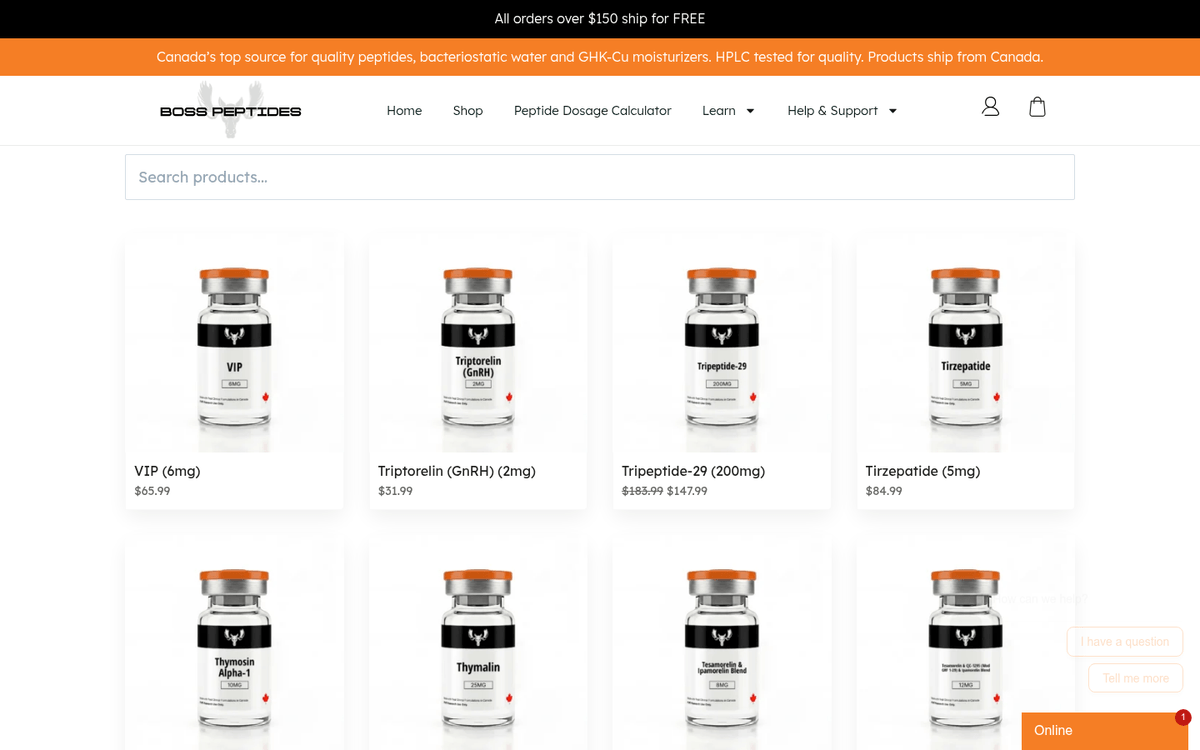
View Availability at Boss Peptides
3. Semaglutide
One-Line Summary: The foundational GLP-1 receptor agonist that brought peptide-based weight loss into the mainstream spotlight.
Semaglutide is a single GLP-1 receptor agonist that mimics the native incretin hormone. It functions primarily by slowing gastric emptying and signaling potent satiety to the brain, effectively shutting down cravings. It is arguably the most well-known peptide in weight loss research today. By delaying the rate at which the stomach empties, it creates a prolonged sense of fullness and flattens the post-meal glucose spike, reducing the insulin burden on the system.
While newer dual and triple agonists are showing higher peak efficacy, Semaglutide remains the gold standard baseline for comparative metabolic research. This is largely due to its massive volume of longitudinal data. Researchers rely on Semaglutide as the foundational control arm when testing newer compounds. Furthermore, ongoing cardiovascular outcome trials have revealed that Semaglutide provides significant protective benefits to the heart, cementing its place as a cornerstone in obesity and longevity studies.
Pros and Cons
- Pro: Massive library of clinical data and safety profiles
- Pro: Highly reliable appetite suppression
- Pro: Cardiovascular benefits noted in studies
- Con: Lower maximum weight loss ceiling compared to Tirzepatide
- Con: Requires careful dose titration
Key Features
- Single GLP-1 Agonist
- Extended half-life
- High affinity for GLP-1 receptors
Best For: Baseline control testing in metabolic and obesity research.
Key Differentiator: The most widely researched and heavily documented weight loss peptide in existence.
Rank Rationale: Ranked third; it is the industry standard but is being outpaced in raw efficacy by newer multi-agonists.
4. AOD-9604
One-Line Summary: A modified fragment of Human Growth Hormone specifically designed to stimulate lipolysis without affecting blood sugar or tissue growth.
AOD-9604 (Advanced Obesity Drug) is a peptide fragment consisting of the C-terminus of Human Growth Hormone (hGH), specifically amino acids 177-191 with an added tyrosine to stabilize the molecule. Researchers favor AOD-9604 because it perfectly mimics the fat-burning effects of native hGH without inducing insulin resistance or unwanted cell proliferation. Traditional hGH can elevate IGF-1 and blood glucose, but AOD-9604 completely isolates the lipolytic mechanism.
In studies, AOD-9604 has shown a strong ability to trigger lipolysis (the breakdown of fat) and inhibit lipogenesis (the formation of new fat). It is particularly popular in research looking for targeted fat loss without the broad systemic effects of GLP-1s. Because it does not act on the brain to suppress appetite or slow gastric emptying, it allows investigators to observe raw metabolic fat oxidation in subjects maintaining normal caloric intake and digestion patterns.
Pros and Cons
- Pro: Directly stimulates fat breakdown
- Pro: Does not affect blood sugar levels
- Pro: No IGF-1 elevation or unwanted tissue growth
- Con: Does not suppress appetite
- Con: Results are generally slower compared to incretin mimetics
Key Features
- hGH Fragment 177-191 derivative
- Regulates fat metabolism
- Excellent safety profile in clinical trials
Best For: Targeted fat oxidation research without appetite manipulation.
Key Differentiator: Burns fat purely through metabolic pathways rather than tricking the brain into feeling full.
Rank Rationale: The best non-GLP-1 fat-burning peptide available, earning it a high spot for researchers exploring alternative pathways.
5. Tesamorelin
One-Line Summary: A potent growth hormone-releasing hormone (GHRH) analogue highly effective at reducing stubborn visceral adipose tissue.
Tesamorelin stimulates the pituitary gland to secrete natural human growth hormone. It is most famous in the medical community for its clinical success in reducing excess visceral belly fat in HIV patients suffering from lipodystrophy. Unlike direct hGH administration, Tesamorelin relies on the body’s natural feedback loops, promoting a pulsatile release of growth hormone that is much safer for long-term physiological homeostasis.
For investigators, Tesamorelin is highly valued in studies targeting deep, stubborn visceral fat. Visceral adipose tissue (VAT) wraps around the organs and is notoriously resistant to diet and exercise, posing severe metabolic health risks. Tesamorelin aggressively targets this specific fat depot while concurrently improving lipid profiles. Research also points to its ability to preserve lean muscle mass, making it an exceptional tool for studies focused on true body recomposition rather than mere scale weight reduction.
Pros and Cons
- Pro: Specifically targets visceral adipose tissue (VAT)
- Pro: Improves cholesterol and lipid profiles
- Pro: Promotes natural growth hormone pulsatility
- Con: Can temporarily increase insulin resistance during use
- Con: More expensive to synthesize and research
Key Features
- GHRH analogue
- Clinically proven VAT reduction
- Protects lean muscle mass
Best For: Research focused on visceral fat reduction and body recomposition.
Key Differentiator: It is one of the only peptides with targeted clinical data specifically for reducing deep abdominal fat.
Rank Rationale: Incredibly effective for visceral fat, but its specialized nature and cost put it just below the broader lipolytic peptides.
View Tesamorelin at Boss Peptides
6. CJC-1295 / Ipamorelin Blend
One-Line Summary: A synergistic pairing of a GHRH and a GHRP that maximizes natural growth hormone release to burn fat and build muscle.
While technically two different peptides, CJC-1295 (a Growth Hormone Releasing Hormone) and Ipamorelin (a Growth Hormone Releasing Peptide) are almost always researched together. They work on two entirely different pituitary receptors to amplify natural growth hormone release exponentially compared to using either alone. CJC-1295 provides a steady baseline elevation, while Ipamorelin induces sharp, natural pulses.
This combination doesn’t just assist in weight loss; it profoundly promotes body recomposition. It allows subjects to burn fat while preserving or even building lean muscle mass, making it a staple in sports performance and anti-aging research. Because Ipamorelin is highly selective, it does not cause the massive spikes in cortisol or prolactin seen with older GHRPs like GHRP-6 or GHRP-2. This blend is the premium choice for labs exploring how optimizing natural GH secretion impacts lipid oxidation and muscular retention during caloric deficits.
Pros and Cons
- Pro: Excellent for body recomposition (fat loss + muscle gain)
- Pro: Improves sleep quality and recovery
- Pro: No spike in cortisol or prolactin (thanks to Ipamorelin)
- Con: Requires multiple daily administrations for optimal results
- Con: Weight loss is secondary to overall body recomposition
Key Features
- Synergistic GHRH + GHRP action
- Preserves lean tissue during caloric deficit
- Enhances natural pulsatile GH release
Best For: Body recomposition studies where preserving muscle during fat loss is the goal.
Key Differentiator: The synergistic blend mimics natural biological pulses better than synthetic HGH, keeping side effects minimal.
Rank Rationale: A staple for muscle-preserving fat loss, but not as aggressively purely focused on weight loss as GLP-1s.
7. MOTS-c
One-Line Summary: A mitochondrial-derived peptide that regulates metabolic homeostasis and mimics the effects of exercise.
MOTS-c is structurally unique because it is encoded in the mitochondria rather than the cell nucleus. It essentially acts as an ‘exercise mimetic’, upregulating AMPK (an enzyme that promotes energy production) and increasing glucose clearance. By acting directly on skeletal muscle, MOTS-c enhances fatty acid oxidation and prevents the accumulation of fat even in the presence of a high-calorie diet.
In research models, MOTS-c has been shown to prevent diet-induced obesity and drastically improve exercise capacity. It fundamentally changes how cells process energy, shifting the body toward metabolic flexibility. This makes it a highly exciting compound for research into metabolic syndrome, aging, and cellular energy dysfunction. It completely bypasses the incretin pathway, offering a pure cellular approach to energy expenditure and fat mitigation.
Pros and Cons
- Pro: Directly targets mitochondrial function
- Pro: Improves insulin sensitivity and glucose uptake
- Pro: Mimics the metabolic benefits of physical exercise
- Con: Very short half-life requires frequent dosing
- Con: Can be painful upon subcutaneous injection
Key Features
- Mitochondrial-derived peptide (MDP)
- AMPK activator
- Promotes metabolic flexibility
Best For: Metabolic research focusing on cellular energy and mitochondrial dysfunction.
Key Differentiator: Works at the mitochondrial level to increase energy expenditure rather than hormonal pathways.
Rank Rationale: Highly innovative mechanism for weight management, but less mainstream data than the top 5.
8. 5-Amino-1MQ
One-Line Summary: A small molecule peptide that blocks the NNMT enzyme, effectively forcing the body to burn fat for energy.
While technically a small molecule rather than a traditional chain of amino acids, 5-Amino-1MQ is heavily utilized in modern peptide research circles. It works by inhibiting NNMT (Nicotinamide N-methyltransferase), an enzyme that is highly overactive in white fat tissue and inherently slows down fat metabolism. When NNMT levels are high, it becomes incredibly difficult for subjects to drop adipose tissue.
By blocking NNMT, 5-Amino-1MQ increases cellular levels of NAD+, which supercharges the basal metabolic rate. Animal studies have shown significant weight loss without any changes to food intake or activity levels. It actually shrinks the fat cells themselves by altering their energy state. Furthermore, its oral bioavailability makes it unique among metabolic research compounds, allowing for encapsulation rather than subcutaneous injection protocols.
Pros and Cons
- Pro: Oral bioavailability (can be encapsulated)
- Pro: Increases NAD+ levels and cellular energy
- Pro: Does not require a caloric deficit to initiate fat loss in studies
- Con: Technically a small molecule, not a chain of amino acids
- Con: Human clinical trials are still limited compared to GLP-1s
Key Features
- NNMT Inhibitor
- Oral administration possible
- Metabolic accelerator
Best For: Research into reversing diet-induced obesity via enzyme inhibition.
Key Differentiator: Does not require injections and actively forces fat cells to shrink by altering their energy state.
Rank Rationale: Incredible potential for fat loss without appetite suppression, but early in its research lifecycle.
9. BPC-157
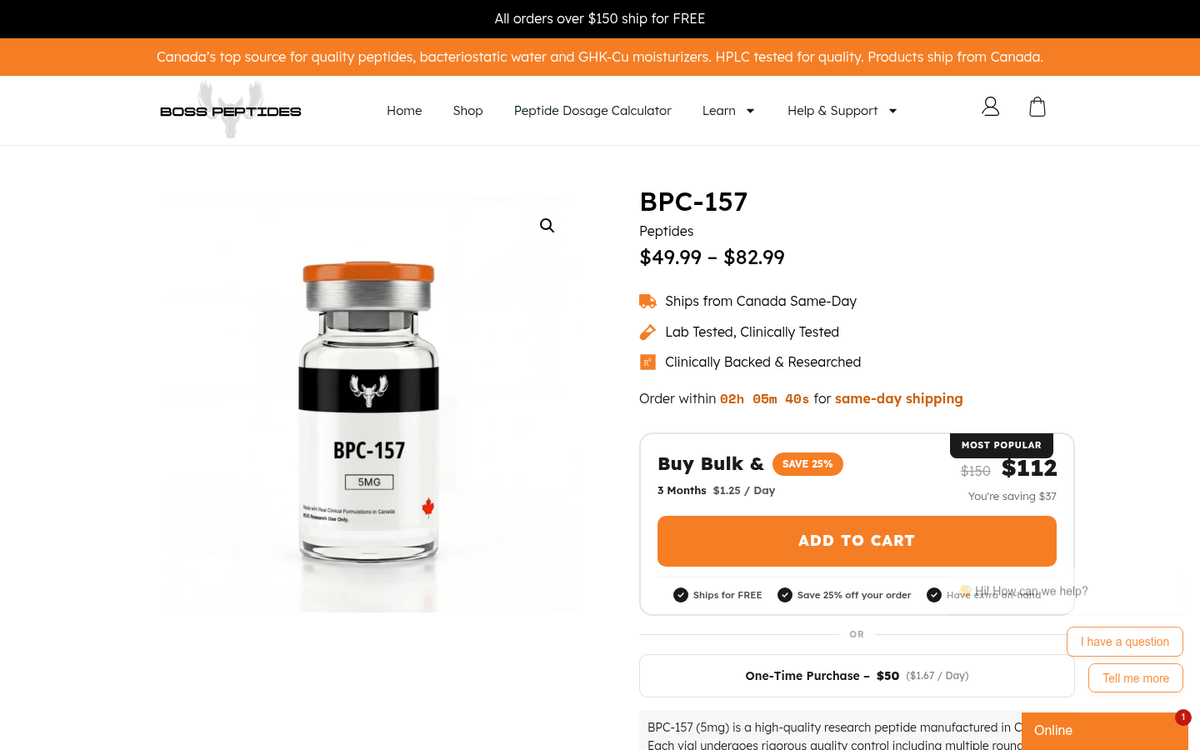
One-Line Summary: The ultimate recovery peptide that indirectly supports profound weight loss by allowing subjects to maintain high-intensity training.
BPC-157 is not a direct fat-burning peptide. However, aggressive weight loss protocols often fail due to injuries, joint pain, or massive systemic inflammation that completely halts physical activity. This is where BPC-157 shines in a holistic research protocol. You cannot maintain a high caloric deficit and intense output if the physical structure breaks down. Researchers exploring holistic fitness paradigms rely heavily on researching BPC-157 to keep subjects resilient.
Derived from gastric juices, BPC-157 drastically accelerates the healing of tendons, ligaments, and the gut lining through the promotion of angiogenesis (the formation of new blood vessels). By rapidly healing soft tissue injuries and repairing the digestive tract, it allows researchers to study sustained, high-intensity physical exertion without the usual downtime. This indirectly supports massive caloric expenditure and ensures that weight loss plateaus are not triggered by an inability to move.
Pros and Cons
- Pro: Unmatched tissue healing and recovery
- Pro: Reduces systemic inflammation
- Pro: Heals the gut, improving nutrient absorption
- Con: Does not directly burn fat or suppress appetite
- Con: Requires site-specific injections for acute injuries
Key Features
- Body Protection Compound
- Angiogenesis promoter
- Systemic anti-inflammatory
Best For: Supporting active subjects in maintaining grueling physical protocols without injury.
Key Differentiator: A supportive peptide that ensures weight loss plateaus aren’t caused by physical breakdown.
Rank Rationale: Included for its massive popularity and vital supportive role in holistic fitness/weight loss protocols.
10. Fragment 176-191
One-Line Summary: The original lipolytic fragment of growth hormone, strictly isolating the fat-burning mechanism.
HGH Frag 176-191 is a stabilized analogue of the fat-burning factor of human growth hormone. It is very similar to AOD-9604, representing the exact tail end of the HGH sequence responsible for lipolysis. Before AOD became the primary standard due to improved stability, Fragment 176-191 was the go-to compound for isolating fat reduction from the growth-promoting aspects of full-length hGH.
Research indicates it is up to 12.5 times more potent than intact hGH for weight loss. It works by stimulating beta-3 adrenergic receptors, leading to the rapid breakdown of fat cells, particularly in stubborn areas, entirely without affecting insulin sensitivity or blood sugar. Because of how it interacts with lipid metabolism, it must be administered in a strictly fasted state to yield high efficacy, making it ideal for isolated lipolysis research and fasted cardio studies.
Pros and Cons
- Pro: Highly targeted fat burning
- Pro: Does not impact glucose levels
- Pro: No effect on cell growth or proliferation
- Con: Must be administered in a fasted state for efficacy
- Con: Has largely been superseded by the more stable AOD-9604
Key Features
- hGH tail fragment
- Pure lipolytic action
- Requires fasted administration
Best For: Fasted cardio and isolated lipolysis research.
Key Differentiator: The original standard for isolating the fat-burning power of HGH without its other systemic effects.
Rank Rationale: Still highly relevant and effective, but ranks 10th as newer incretins and AOD-9604 often overshadow it.
Comparison Summary
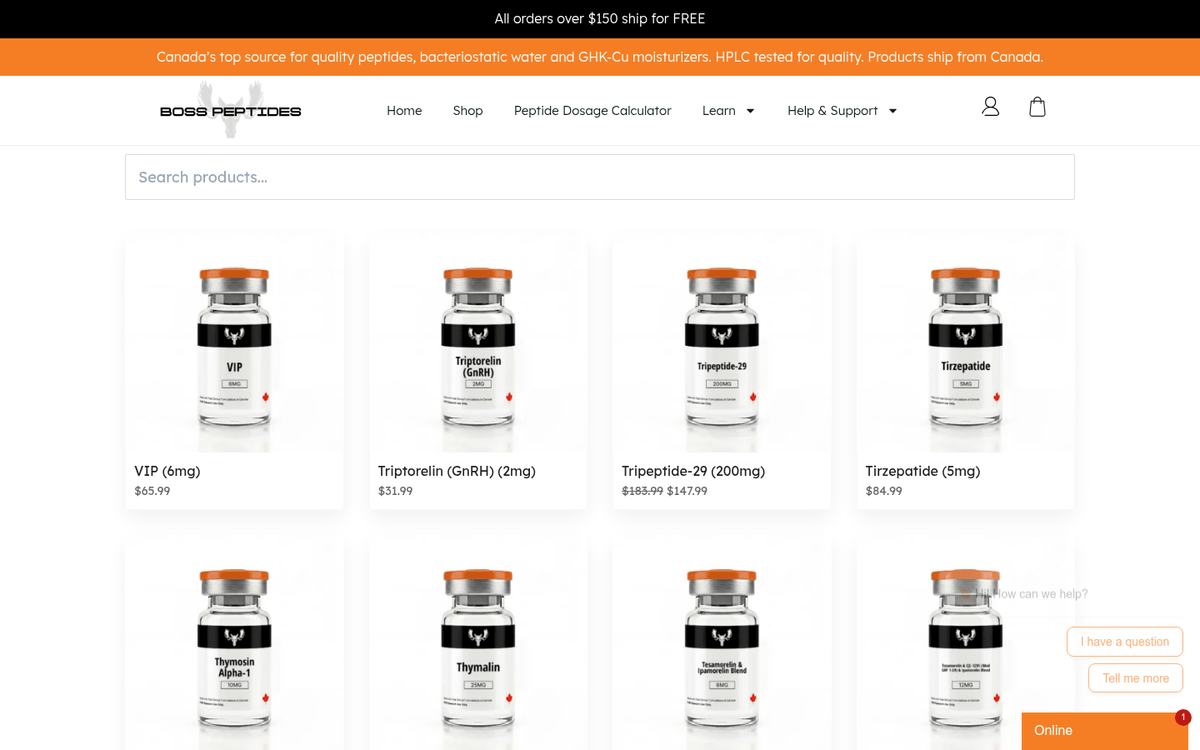
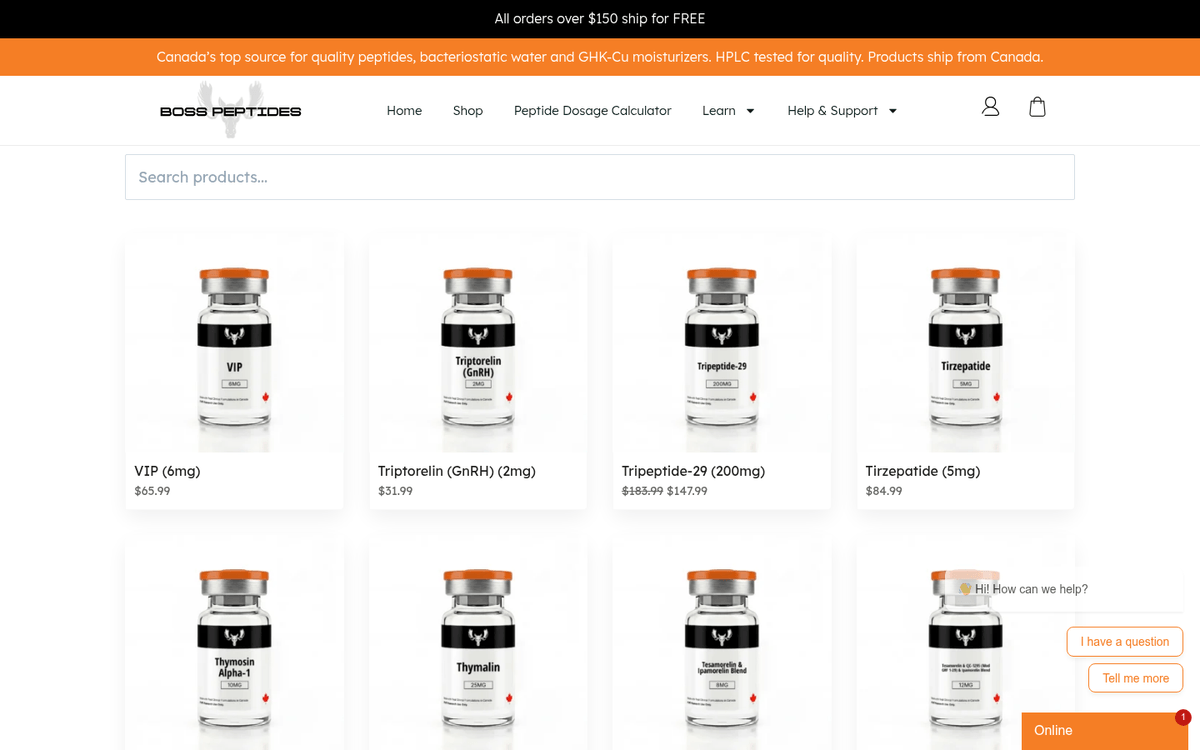
| Peptide Name | Primary Mechanism | Research Efficacy for Fat Loss | Best For |
|---|---|---|---|
| Retatrutide | GLP-1 / GIP / Glucagon Agonist | Unprecedented (Highest in Trials) | Advanced metabolic & profound obesity research |
| Tirzepatide | GLP-1 / GIP Dual Agonist | Exceptionally High | Synergy of GIP and GLP-1 receptors |
| Semaglutide | GLP-1 Agonist | High / Gold Standard Baseline | Baseline control testing in obesity research |
| AOD-9604 | hGH Lipolytic Fragment | Moderate-High (Direct Lipolysis) | Targeted fat oxidation without appetite manipulation |
| Tesamorelin | GHRH Analogue | High (Visceral Fat Specific) | Visceral fat reduction & body recomposition |
| CJC-1295 / Ipamorelin | GHRH + GHRP Blend | Moderate (High for Recomposition) | Preserving muscle during fat loss |
| MOTS-c | Mitochondrial Derived Peptide | Moderate | Cellular energy & mitochondrial dysfunction |
| 5-Amino-1MQ | NNMT Inhibitor | High Potential (Animal models) | Reversing diet-induced obesity via enzymes |
| BPC-157 | Tissue Healing / Angiogenesis | Indirect (Supports activity) | Maintaining high physical output without injury |
| Fragment 176-191 | hGH Tail Fragment | Moderate-High | Fasted cardio & isolated lipolysis |
Conclusion
Choosing the right compound for metabolic research requires aligning the chemical mechanism with your exact study goals. If your priority is massive scale-weight reduction and insulin regulation, the multi-receptor incretin mimetics like Retatrutide and Tirzepatide are demonstrating clinical power that was unimaginable a decade ago. Conversely, if your protocol demands pure targeted lipolysis without crushing appetite or triggering nausea, growth hormone derivatives like AOD-9604 and Tesamorelin offer a refined alternative.
Ultimately, the success of any peptide therapy or research protocol relies completely on the purity of the chemicals used. Always ensure you source compounds from a trusted, verifiable Canadian peptide supplier that provides rigorous testing, guaranteeing that your data remains accurate and your research subjects remain safe.