
Introduction: Retatrutide vs. Approved GLP-1/GIP Agonists for Weight Management
The landscape of metabolic research and weight management is shifting rapidly. Researchers and healthcare providers are looking closely at how multi-receptor agonists compare to older, single-target options. While established drugs like Wegovy and newer entrants like Zepbound dominate clinical settings, the experimental triple agonist Retatrutide has emerged as a major focus of scientific inquiry. This article provides a detailed comparison of Retatrutide, Wegovy, and Zepbound, analyzing their chemical designs, clinical trial data, regulatory positions, and accessibility. Whether you are conducting scientific studies or evaluating current medical options, understanding the differences between approved pharmaceuticals and research-grade peptides is critical for making informed decisions.
Understanding Retatrutide: The Triple Agonist Research Peptide
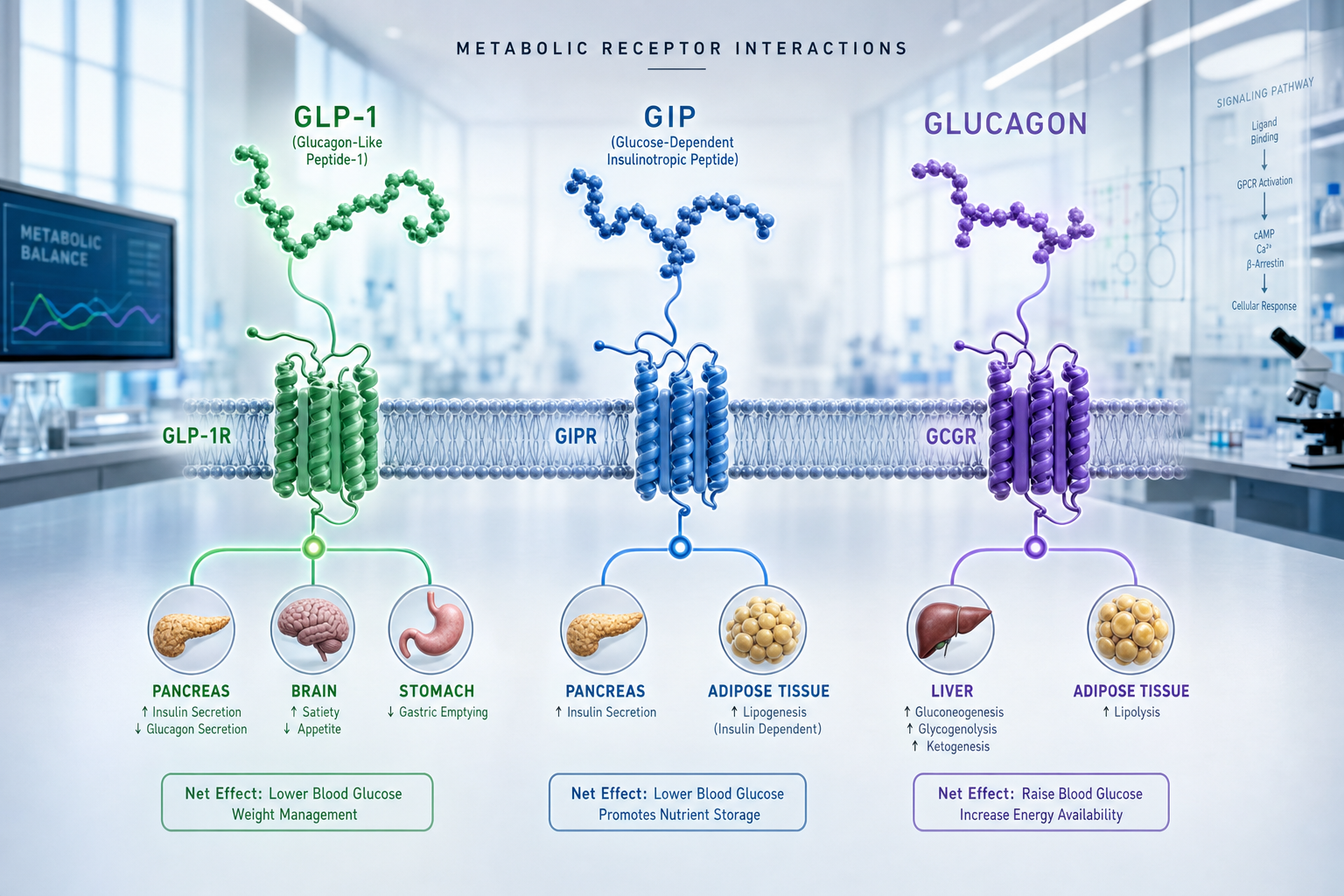
Retatrutide, also known during development as LY3437943, represents the newest wave of metabolic peptide research. Developed by Eli Lilly, it is a synthetic single peptide chain that targets three distinct hormone receptors: glucagon-like peptide-1 (GLP-1), glucose-dependent insulinotropic polypeptide (GIP), and glucagon. This triple-receptor action has led researchers to study its potential for unprecedented weight reduction and metabolic changes. Currently, Retatrutide is in Phase 3 clinical trials, with researchers monitoring its impact on obesity, type 2 diabetes, and non-alcoholic fatty liver disease.
Because Retatrutide has not yet received market approval from regulatory bodies like Health Canada or the FDA, it remains classified strictly as an investigational compound. It cannot be prescribed by doctors or dispensed by commercial pharmacies. Instead, it is available exclusively for laboratory research and in vitro evaluation. Scientists studying this molecule in Canada rely on specialized providers to acquire Where to Buy Reta Peptide in Canada, which highlights how crucial high purity is for securing reliable, reproducible experimental results.

To preserve scientific integrity in laboratory settings, researchers must ensure their compounds are of the highest standard. This means sourcing Canadian peptides that undergo rigorous quality control. Reputable providers of research peptides Canada focus heavily on supplying lab tested peptides. These are verified using analytical techniques such as HPLC verified peptides testing and mass spectrometry peptides analysis. This rigorous testing ensures that the compounds are free of synthesis byproducts, giving researchers confidence when they buy peptides online Canada for laboratory studies.
Wegovy (Semaglutide): The Established GLP-1 Agonist
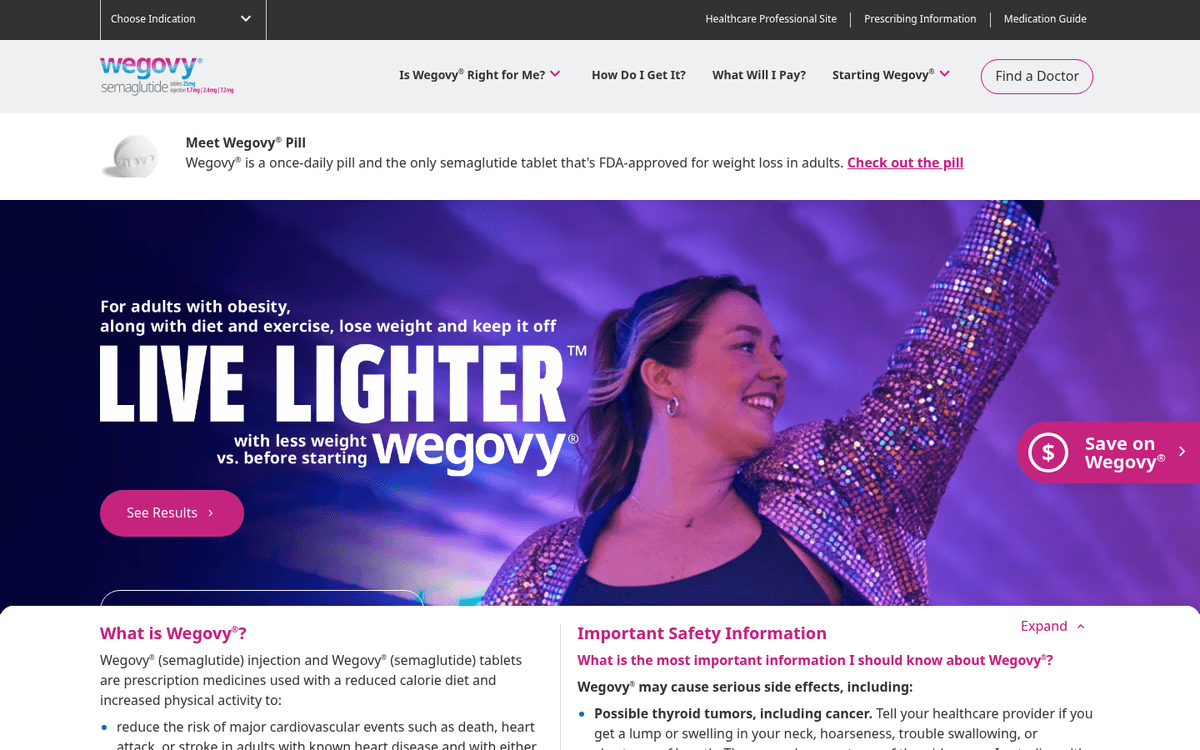
Wegovy, developed by Novo Nordisk, is a widely prescribed medication approved by Health Canada and the FDA for chronic weight management. Its active ingredient, semaglutide, is a selective GLP-1 receptor agonist. By mimicking the natural GLP-1 hormone, Wegovy helps regulate appetite, slow gastric emptying, and improve glycemic control. It is administered via a weekly subcutaneous injection, slowly scaling up to a maintenance dose of 2.4 mg.
Wegovy represents the first generation of highly successful modern anti-obesity drugs. It has been backed by years of comprehensive clinical data and post-market safety surveillance. Its regulatory approval means it has undergone extensive human testing to establish a clear safety profile, making it a reliable standard of care under professional medical supervision. The medication is manufactured in specialized, highly regulated facilities, ensuring consistent dosing and sterile packaging for patient use. However, because of its widespread popularity, Wegovy has experienced periodic global supply chain shortages, leaving some patients struggling to find their prescribed doses.
Zepbound (Tirzepatide): The Dual GLP-1/GIP Agonist
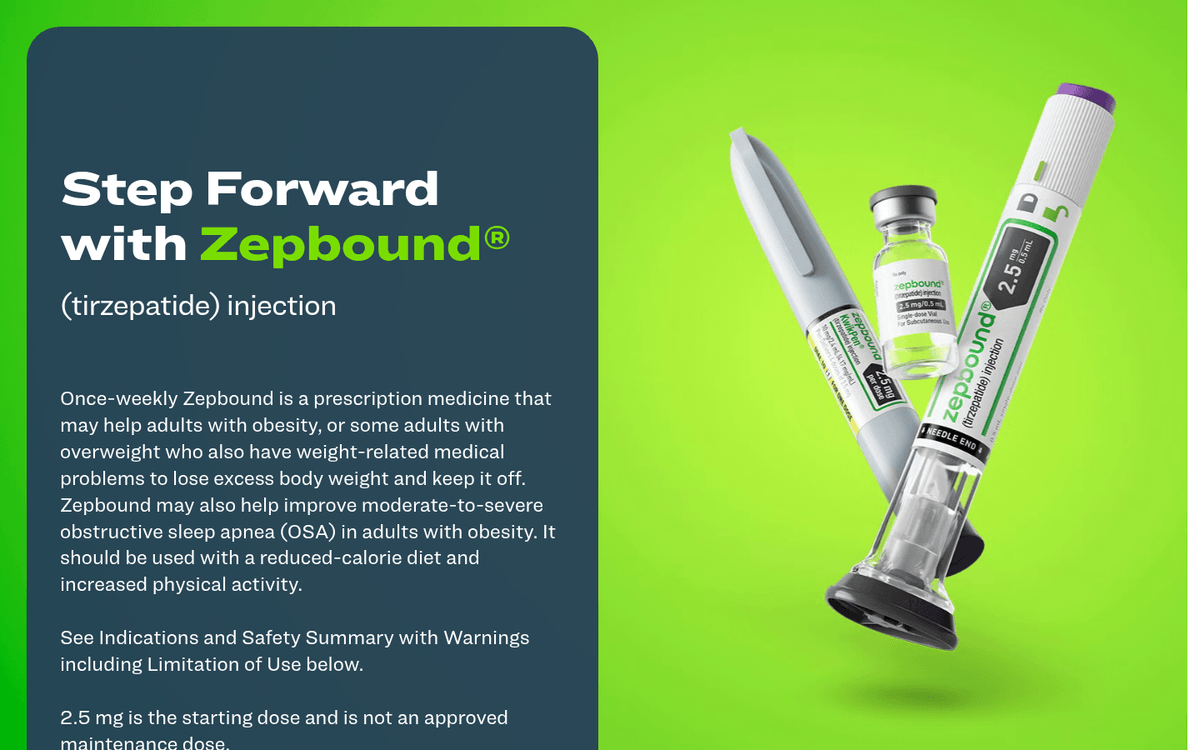
Zepbound is a newer prescription medication approved for chronic weight management. Developed by Eli Lilly, its active ingredient is tirzepatide, which targets both GLP-1 and GIP receptors. This dual-agonist approach allows tirzepatide to address appetite and fat metabolism from two different biological angles. Like Wegovy, Zepbound is approved by Health Canada and the FDA, meaning it can be legally prescribed by physicians and purchased at commercial pharmacies.
The addition of GIP receptor agonism is believed to enhance the body’s energy balance and reduce the severity of gastrointestinal side effects often associated with single GLP-1 agonists. In clinical trials, this dual action yielded greater average weight reduction than semaglutide alone, establishing Zepbound as a highly effective approved GLP-1 alternatives option. It is administered as a weekly single-dose auto-injector, with doses ranging from 2.5 mg to 15 mg. As an approved pharmaceutical, it comes with standardized manufacturing, professional medical oversight, and potential insurance coverage, though it also faces intermittent retail availability issues.
Comparison Dimension 1: Mechanism of Action
To understand the core differences between these three compounds, you must look at how they interact with metabolic pathways. The transition from single-target to triple-target receptor activation marks a significant shift in peptide engineering and metabolic science.
When analyzing semaglutide vs retatrutide, the fundamental difference lies in receptor selectivity. Wegovy targets only the GLP-1 receptor. It mimics the hormone released by the gut in response to food, signaling satiety to the brain and delaying stomach emptying to prolong fullness. This single pathway is highly effective, but it relies entirely on appetite suppression and insulin regulation through GLP-1 pathways.
Zepbound introduces dual-receptor agonism by targeting both GLP-1 and GIP receptors. GIP is another hormone that helps regulate insulin secretion, but it also influences lipid metabolism and energy storage in fat tissue. In the brain, GIP works in tandem with GLP-1 to suppress appetite while potentially mitigating some of the nausea and digestive issues common with high-dose GLP-1 stimulation. This dual action provides a more balanced approach to metabolic control.
Retatrutide takes this step further by acting as a triple agonist, targeting GLP-1, GIP, and glucagon receptors. When evaluating retatrutide vs zepbound, it is this third target—glucagon—that changes the dynamic. While GLP-1 and GIP focus primarily on insulin secretion and appetite control, glucagon receptor activation directly stimulates energy expenditure, lipolysis (the breakdown of fats), and thermogenesis. This means Retatrutide not only reduces calorie intake but may also actively increase the rate at which the body burns energy. This triple-receptor mechanism is currently the subject of intense study to see if it can bypass the metabolic plateaus often encountered with single or dual-receptor compounds.
Comparison Dimension 2: Efficacy for Weight Loss (Clinical Trial Data)
The clinical trial outcomes for these three molecules show clear differences in their weight loss potential, largely driven by their respective mechanisms of action. Researchers looking for comparative data often study the results of these trials to understand the therapeutic limits of each compound.
In the STEP clinical trial program, Wegovy (semaglutide 2.4 mg) demonstrated an average weight loss of approximately 15% of total body weight over a 68-week period. This was considered a massive milestone for non-surgical weight management, establishing Wegovy as a highly effective intervention. Many patients also experienced improved blood pressure, cholesterol levels, and glycemic markers during these trials.
Zepbound (tirzepatide) raised the bar in its SURMOUNT clinical trials. At the highest dose of 15 mg, participants achieved an average weight loss of 20.9% over 72 weeks. This dual-agonist approach proved to be a powerful tool, answering the question of which weight loss drug is better than Wegovy for overall weight reduction. The trial data also highlighted significant improvements in waist circumference and insulin sensitivity among participants.
Retatrutide has demonstrated even higher efficacy in its Phase 2 clinical trials. Participants receiving the highest weekly dose of 12 mg achieved an average weight loss of up to 24.2% at 48 weeks, with weight loss continuing to trend downward at the end of the trial period. This rapid and substantial reduction has led researchers to explore how fast do you lose weight on retatrutide, with significant changes often recorded within the first few weeks of therapy. In scientific circles, researchers are comparing these outcomes to other candidates detailed in guides like Top Peptides for Fat Loss to better understand how triple agonism alters energy expenditure compared to traditional dual or single-pathway agents.
While Retatrutide trials show highly promising weight loss percentages, it is important to note that no direct, head-to-head clinical trials comparing these three compounds have been completed. The reported percentages are gathered from separate, independently designed trials. Furthermore, Retatrutide’s long-term safety and efficacy are still being evaluated in ongoing Phase 3 trials, whereas Wegovy and Zepbound have already completed this comprehensive regulatory review process.
Comparison Dimension 3: Regulatory Status and Approval in Canada
The practical difference between these compounds is defined by their regulatory status. Health Canada applies strict standards to determine how therapeutic substances can be imported, sold, and used.
Wegovy and Zepbound are fully approved prescription medications. They have met all safety and efficacy requirements established by Health Canada for human use. This regulatory approval means they are manufactured in accordance with Current Good Manufacturing Practices (cGMP), which guarantees strict batch-to-batch consistency, sterile formulation, and standardized concentrations. These products are distributed through traditional pharmaceutical supply chains, meaning patients can only obtain them with a doctor’s prescription and buy them directly from licensed pharmacies.
Retatrutide has a completely different regulatory status. It is an unapproved, investigational drug that is currently undergoing clinical evaluation. In Canada, it is not approved for human therapeutic use. It cannot be prescribed by medical professionals, and it is illegal to distribute or market it for human consumption. It is sold strictly as a research chemical, intended only for laboratory experiments, animal studies, or in vitro testing.
For scientific laboratories and educational institutions, sourcing Retatrutide requires navigating the research chemical market rather than traditional pharmacies. Canadian labs must look for providers that specialize in high purity peptides to ensure their research is not compromised. Because these compounds are not subject to standard pharmaceutical retail controls, researchers must independently verify that the supplier offers HPLC verified peptides and mass spectrometry peptides verification to guarantee chemical identity and purity before beginning any laboratory protocols.
Comparison Dimension 4: Safety Profile and Known Side Effects
A primary consideration when comparing these compounds is safety. Any molecule that alters metabolic pathways carries a risk of side effects, and the profile changes as you move from single-receptor to multi-receptor targets.
Wegovy has a well-documented safety profile supported by several years of post-market surveillance. The most common side effects are gastrointestinal, including nausea, vomiting, diarrhea, constipation, and abdominal pain. These effects are usually mild to moderate and typically occur during the initial dose-escalation phase. Serious but rare risks include pancreatitis, gallbladder disease, and acute kidney injury.
Zepbound shares a very similar side effect profile to Wegovy. Gastrointestinal issues remain the most frequent complaints. However, some clinical data suggests that the GIP component of tirzepatide may help mitigate the intensity of nausea for some patients, allowing for a smoother dose transition. Like Wegovy, Zepbound carries warnings regarding thyroid C-cell tumors, pancreatitis, and severe hypoglycemia when used alongside other insulin-stimulating medications.
When studying the experimental triple agonist, researchers must ask: what are the risks of using retatrutide? Because of its glucagon receptor activation, Retatrutide has shown some unique safety considerations in trials. In addition to the standard gastrointestinal side effects shared with Wegovy and Zepbound, Retatrutide has been associated with transient increases in heart rate, which typically peak around week 24 of treatment before declining. It has also shown a higher rate of skin sensitivity or hyperesthesia at certain doses. Because Retatrutide is still in Phase 3 trials, its long-term cardiovascular impact and full safety profile are not as thoroughly documented as those of the approved alternatives. This lack of long-term human safety data is a key reason why it remains restricted to laboratory study.
Comparison Dimension 5: Availability, Accessibility, and Cost
The practicalities of obtaining and paying for these substances vary greatly depending on their regulatory status and intended use case.
Wegovy and Zepbound are accessed through the established healthcare system. A patient must consult a doctor, obtain a diagnosis of obesity or related comorbidities, and receive a prescription. Once prescribed, these medications are subject to retail pricing, which can range from $300 to over $1,000 CAD per month depending on provincial drug plans and private insurance coverage. Furthermore, global demand has caused frequent supply shortages, meaning patients may sometimes face delays in getting their medication filled at local pharmacies.
Retatrutide is accessed through an entirely different channel. Because it is a research chemical, it is purchased directly by laboratories and researchers from chemical suppliers. There is no prescription requirement, but buyers must represent a legitimate research entity. The cost of Retatrutide varies based on the supplier, quantity, and verified purity level. Reliable Canadian suppliers focus on providing same day shipping peptides to minimize research downtime, allowing scientific teams to keep their laboratory studies on schedule without waiting for complex international shipping customs.
Making an Informed Decision: Research Peptides vs. Approved Medications
When deciding how to approach these compounds, the choice depends entirely on your role and objectives. If you are a patient seeking a treatment for weight management, you must focus on approved GLP-1 alternatives like Wegovy or Zepbound under the direct care of a licensed physician. Attempting to use unapproved research peptides for self-treatment carries serious legal and health risks, as these substances lack medical supervision and standardized clinical dosing protocols.
For scientific researchers in Canada, the focus is on exploring receptor dynamics and metabolic pathways. If you are conducting laboratory studies, you must follow established guidelines to use fat loss peptides safely and effectively in Canada. This involves maintaining sterile lab conditions, using proper protective equipment, and ensuring that all experimental substances are sourced from suppliers that provide clear, third-party analytical verification of purity and chemical identity.